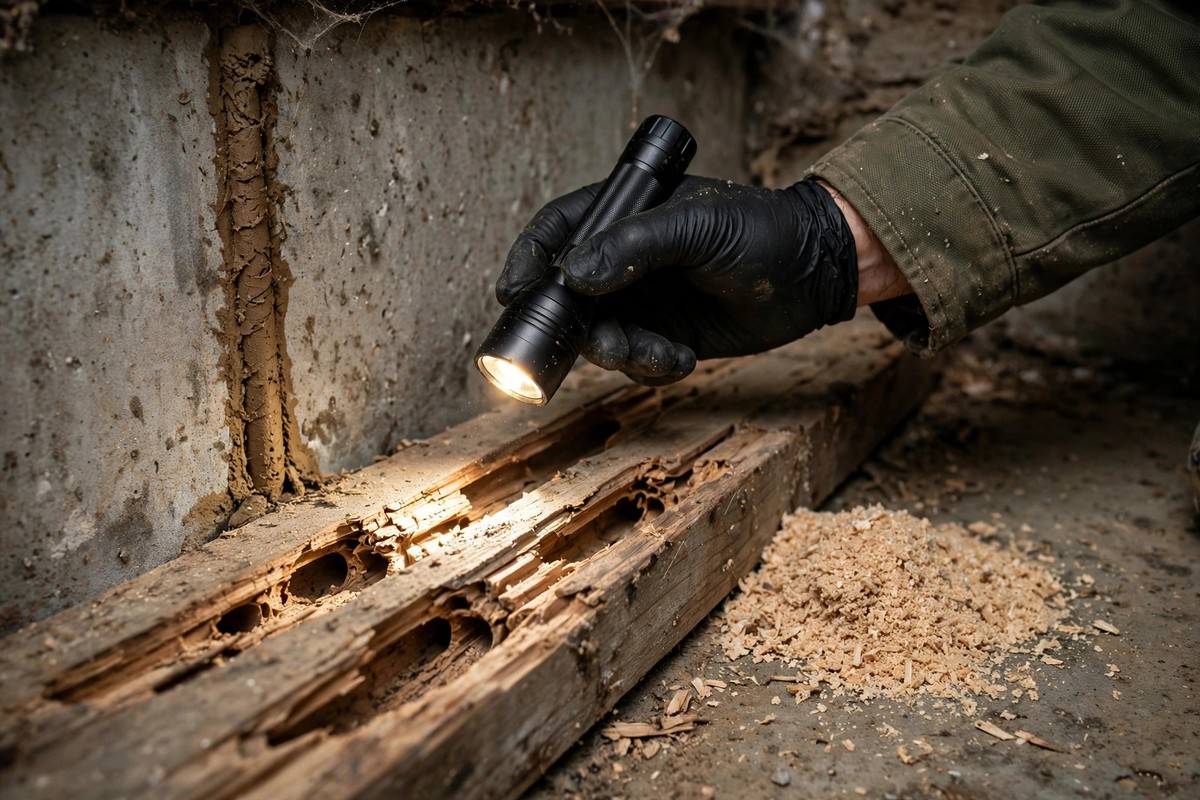
Short answer: carpenter ants leave clean, smooth galleries and piles of sawdust-like frass, while termites leave mud tubes and wood hollowed out and packed with soil. Both swarm in spring, but swarmers look different and treatments differ completely.
Read the guide →
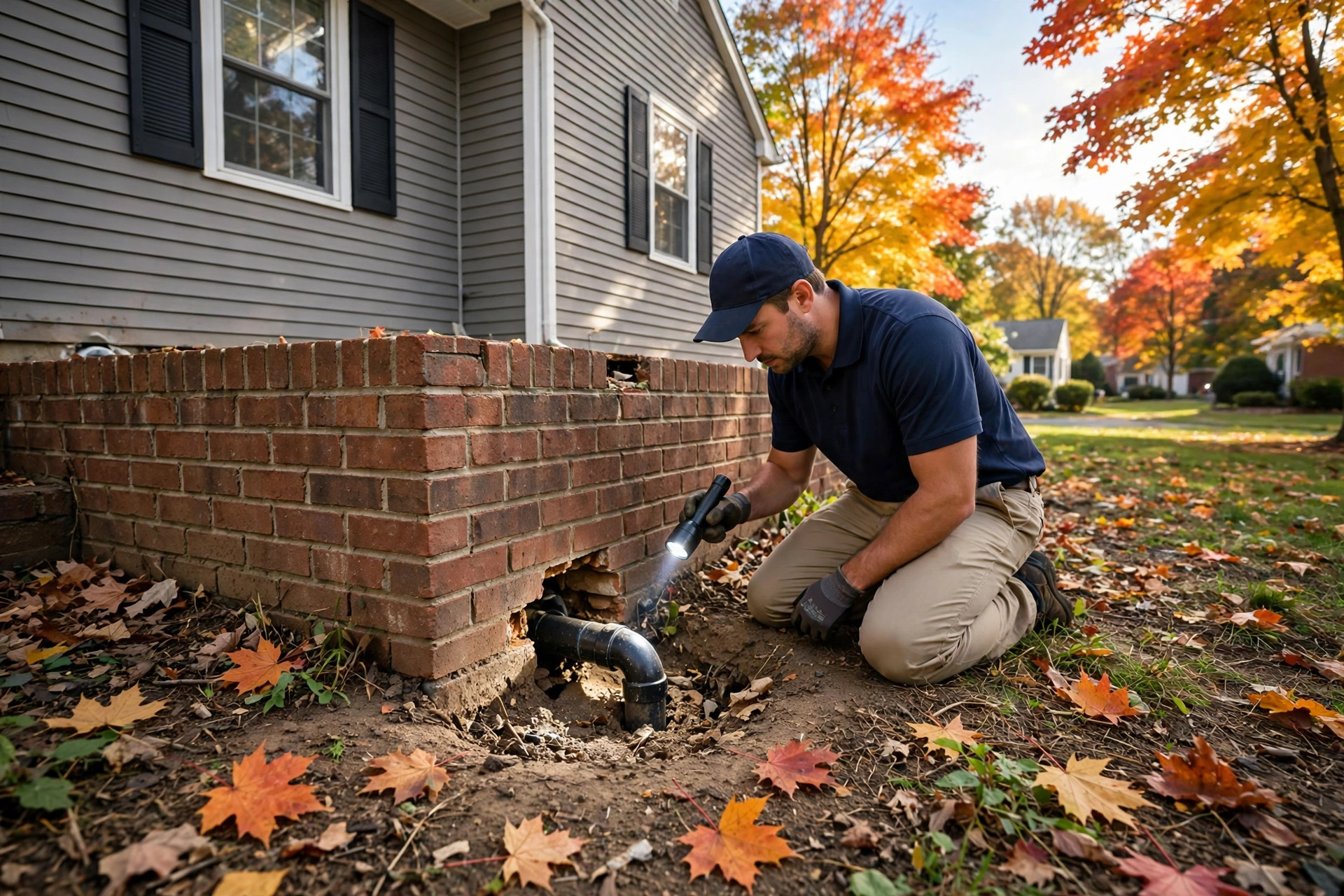
Short answer: fall is when pests move in — mice through dime-sized gaps, stink bugs into wall voids. Seal the shell, clean the yard, and check the garage now, and you’ll skip the winter infestation.
Read the guide →
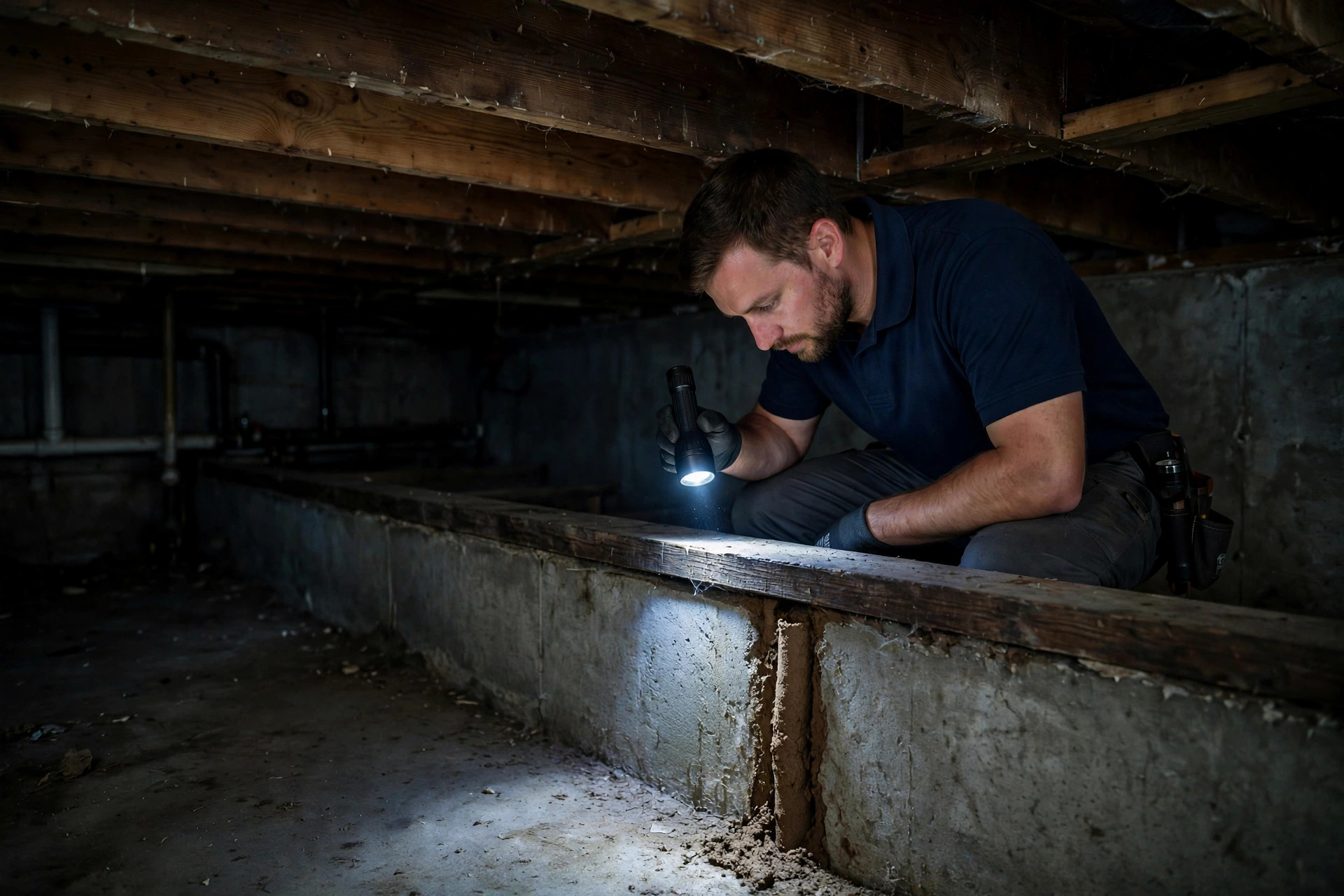
Short answer: a termite bond is a yearly renewable agreement that guarantees free re-treatment if termites return. Most bonds cover retreatment only — not damage repair — and renewals in North Jersey run $200–$400 a year.
Read the guide →
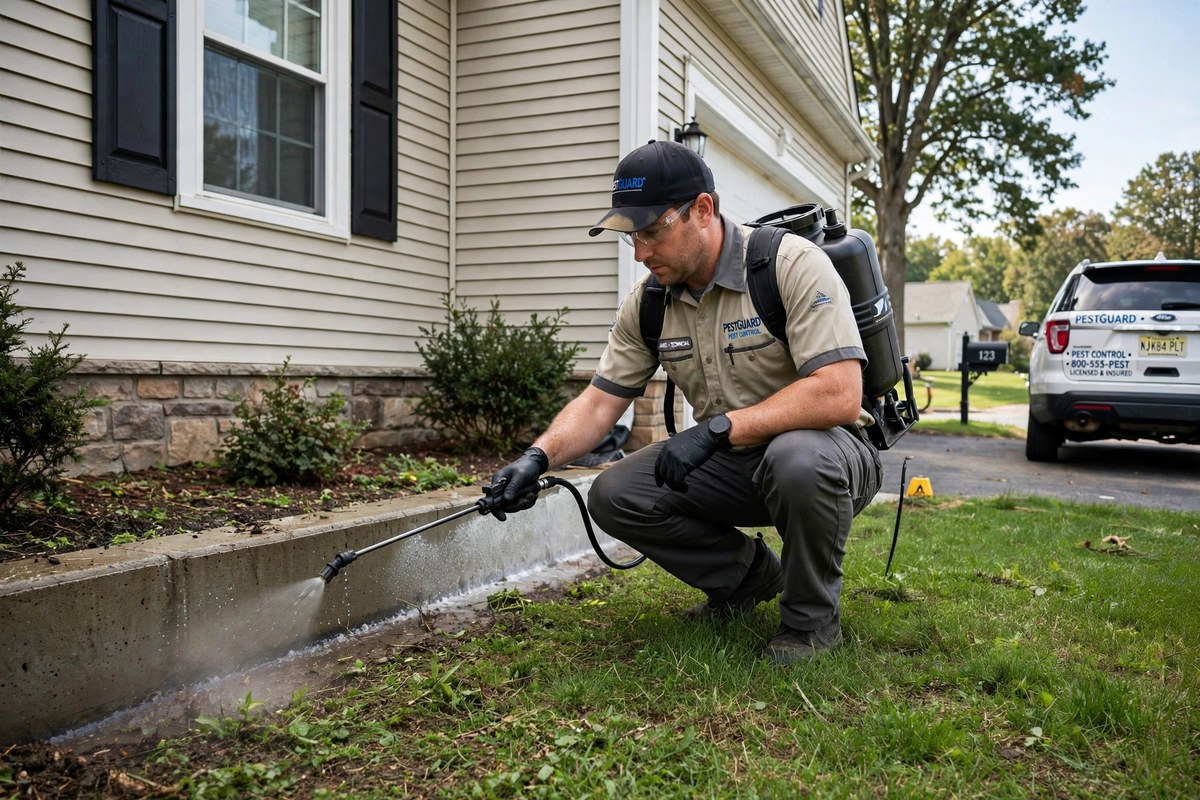
Short answer: for most NJ homes, yes — a quarterly plan costs roughly $400–$700 a year and stops seasonal pest cycles before they start. It is not worth it if you have a one-off problem that a single treatment can finish.
Read the guide →
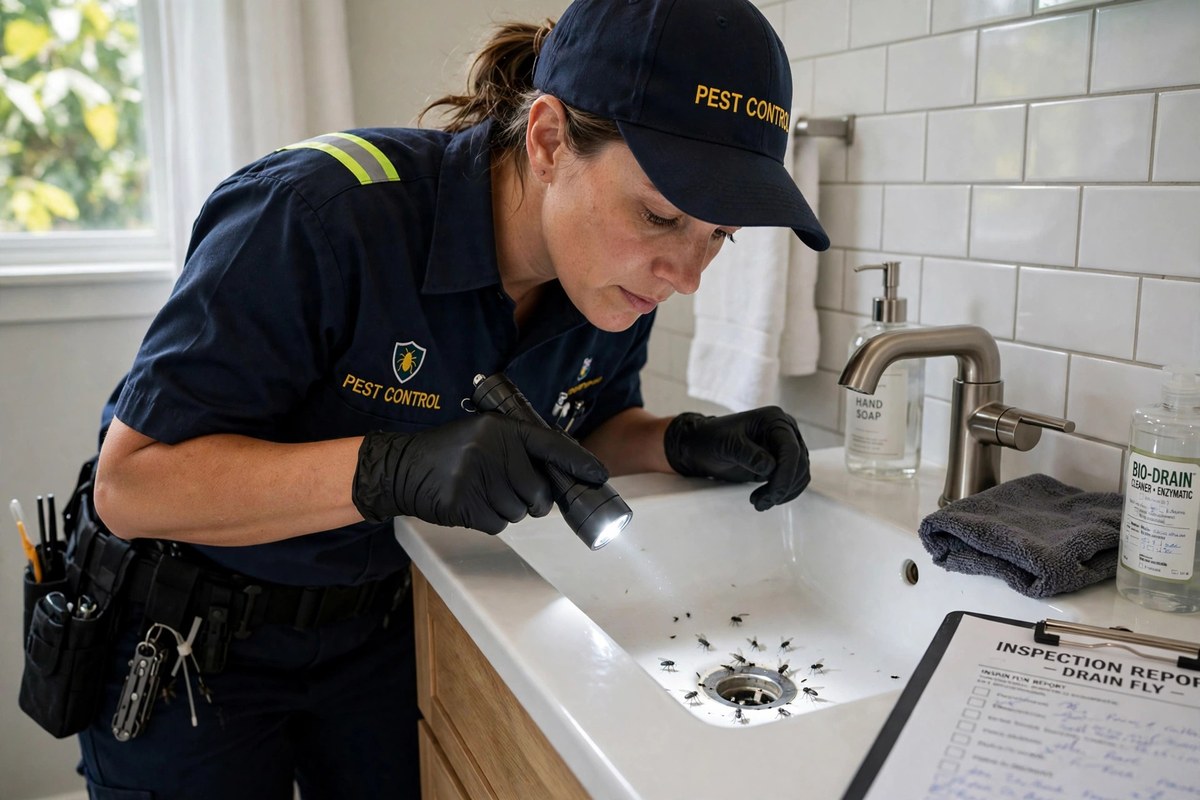
Short answer: drain flies breed in the slime inside drains, so sprays and bleach rarely finish them. Find the breeding drain with the tape test, scrub the slime out, and the flies die off within a week.
Read the guide →
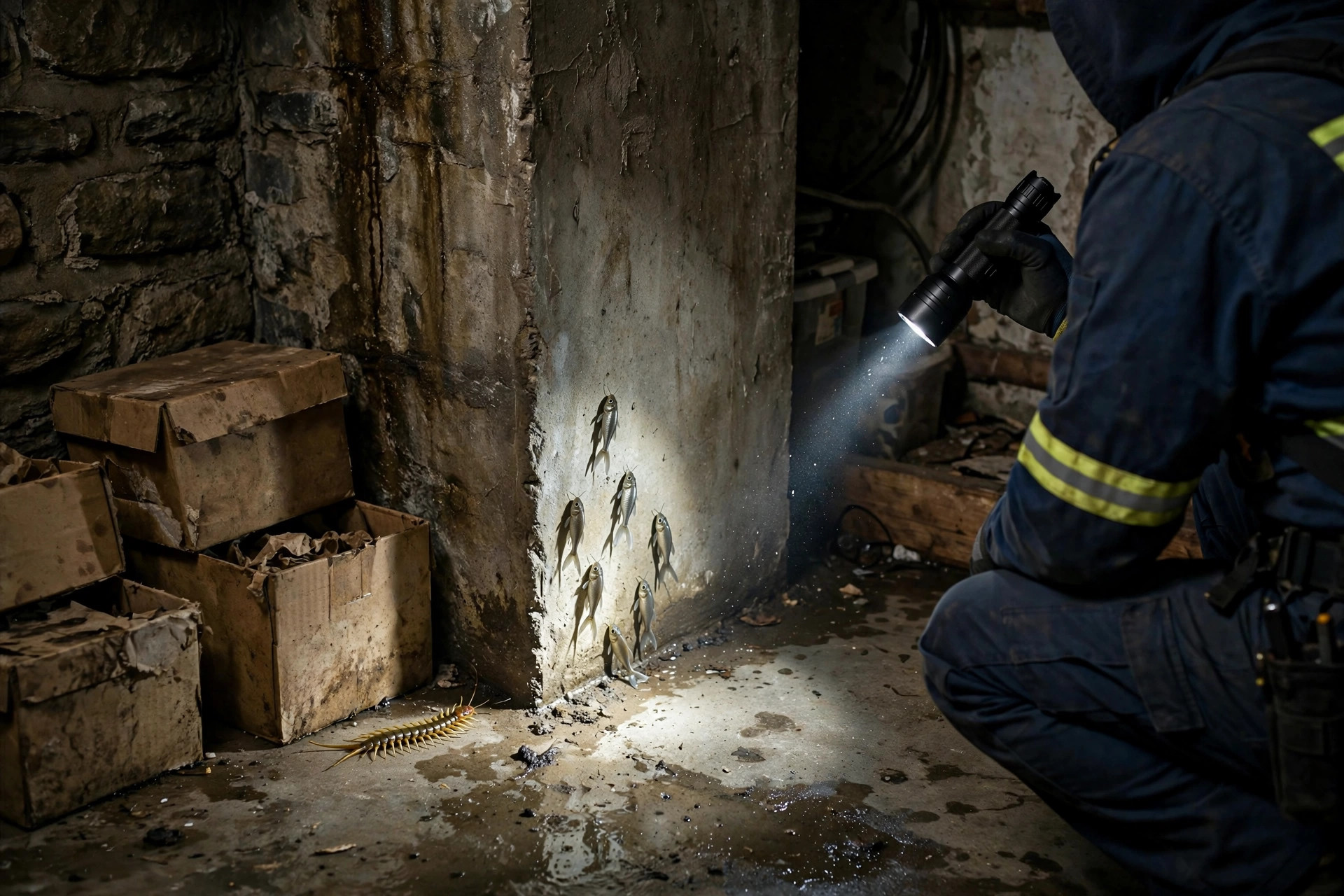
Short answer: silverfish and house centipedes are symptoms of basement moisture. Dry the basement below 50% humidity, seal the gaps, treat the harborages — and both pests leave. Here’s the full playbook.
Read the guide →
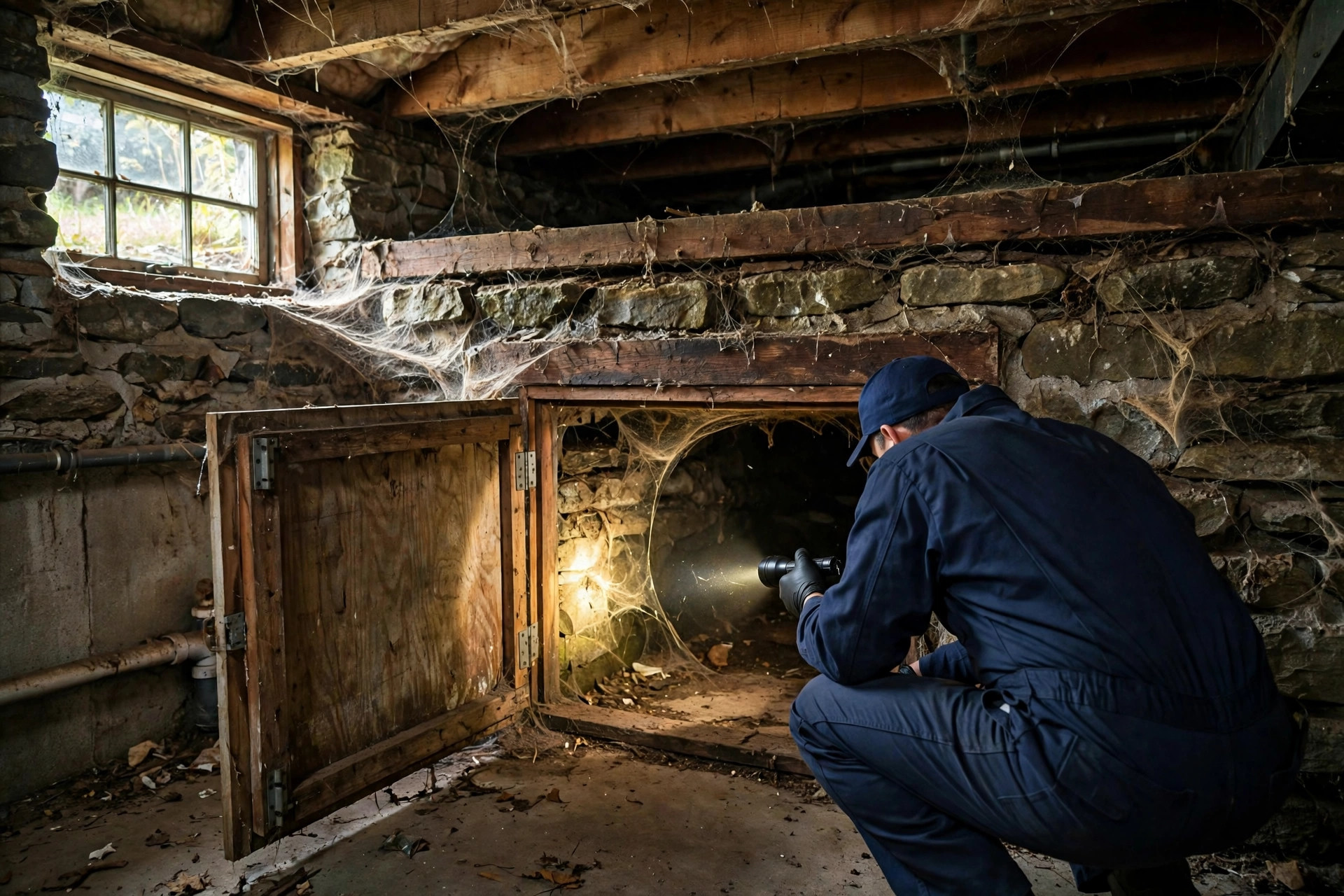
Short answer: a real pest inspection takes 45–75 minutes, covers the exterior, every floor, the basement, and the attic, and ends with a written quote — not a spray. Here’s exactly what a technician does at each step.
Read the guide →

Short answer: a documented, scheduled program — monthly monitoring, discreet treatments around your hours, and service logs that keep inspectors happy. Here’s how it works and what it costs.
Read the guide →
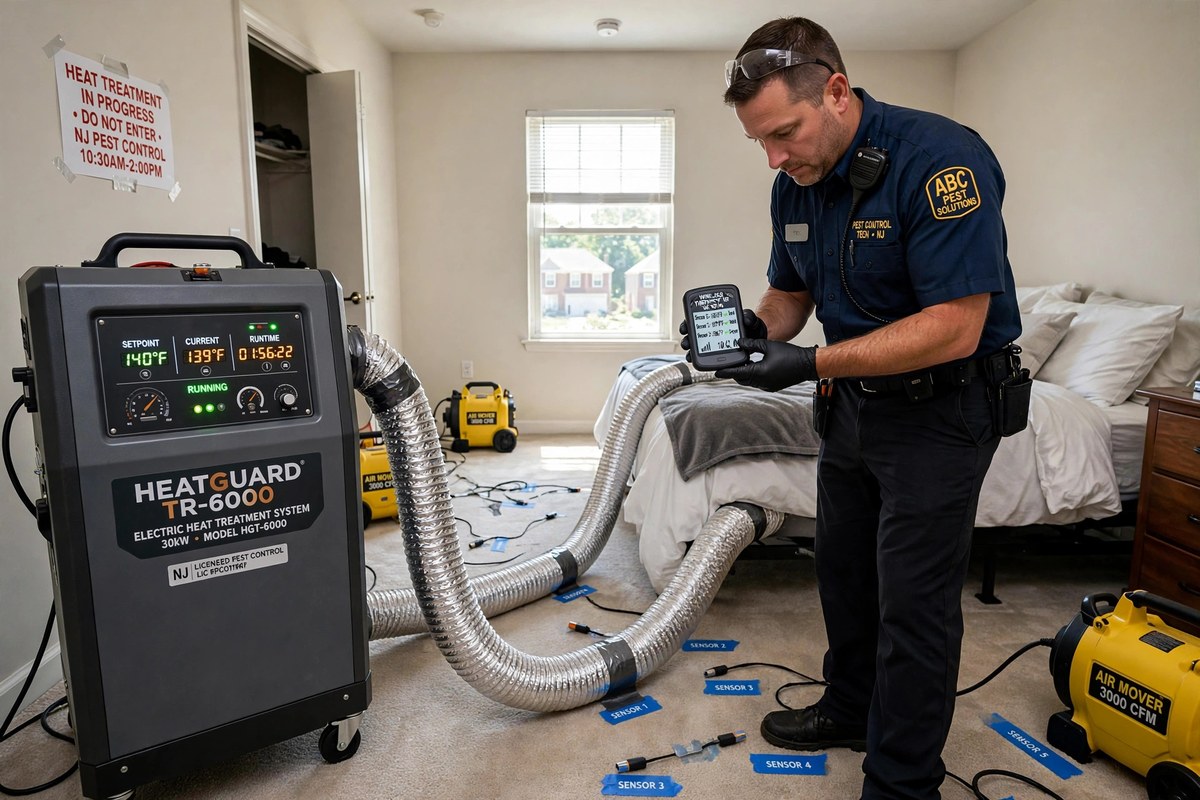
Short answer: heat kills every life stage including eggs in one day but costs more with no residual protection. Chemical is cheaper with lasting residual but needs 2–3 visits.
Read the guide →
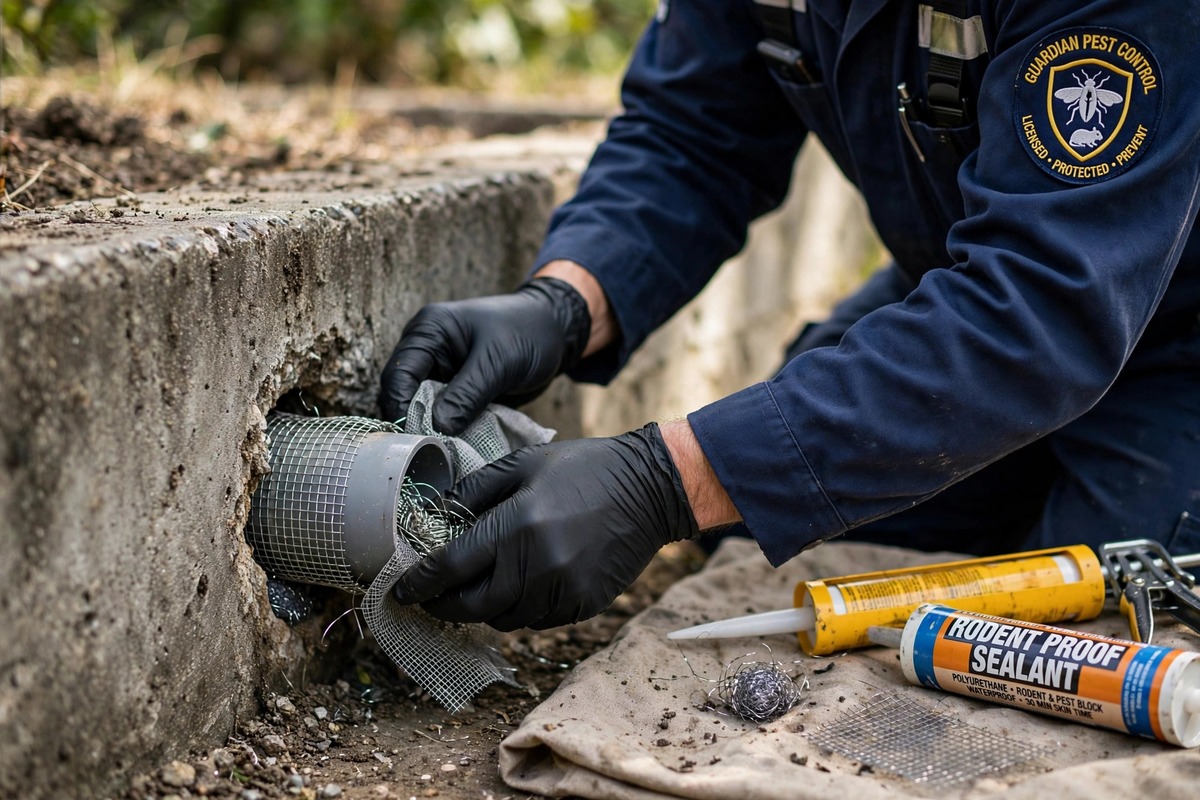
Trapping never ends a rodent problem — new mice replace the trapped ones. Exclusion permanently seals every entry point with materials rodents cannot chew through.
Read the guide →
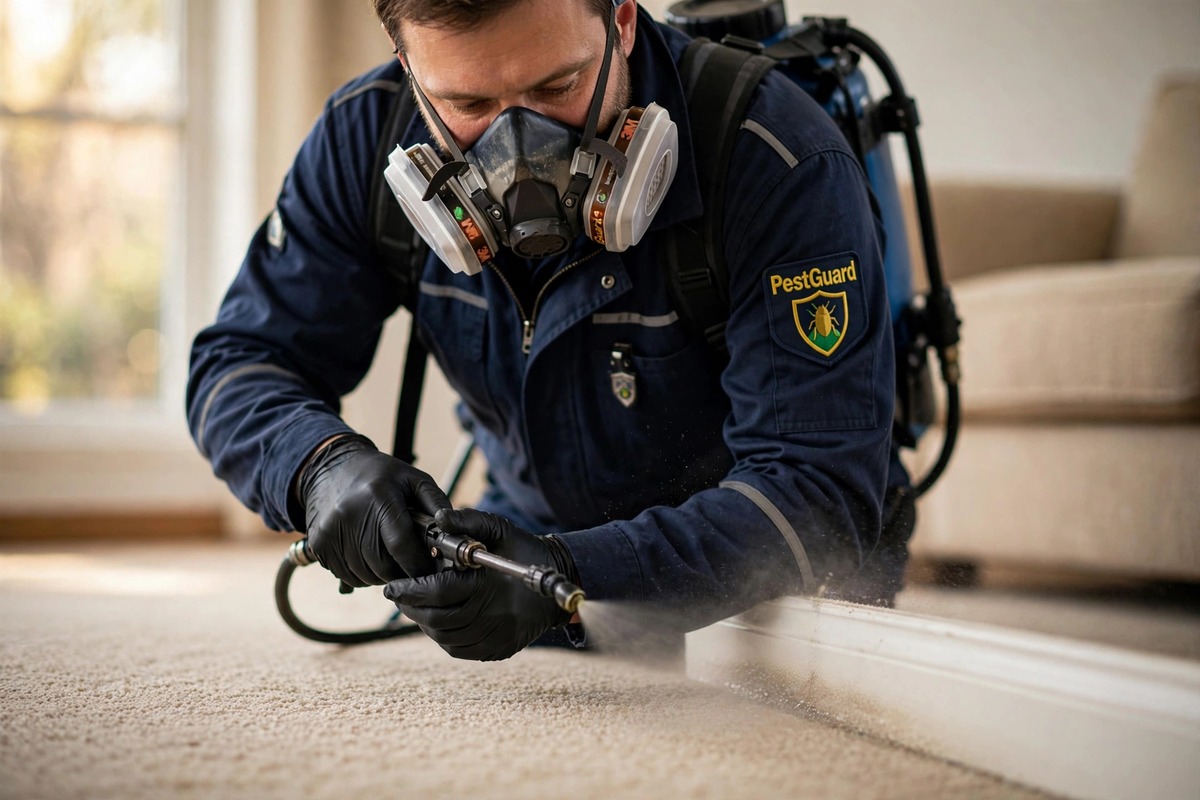
About 95% of a flea population is eggs, larvae, and pupae hiding in carpet and the yard. Professional treatment targets every life stage, indoors and out, across 2 visits about 3 weeks apart.
Read the guide →
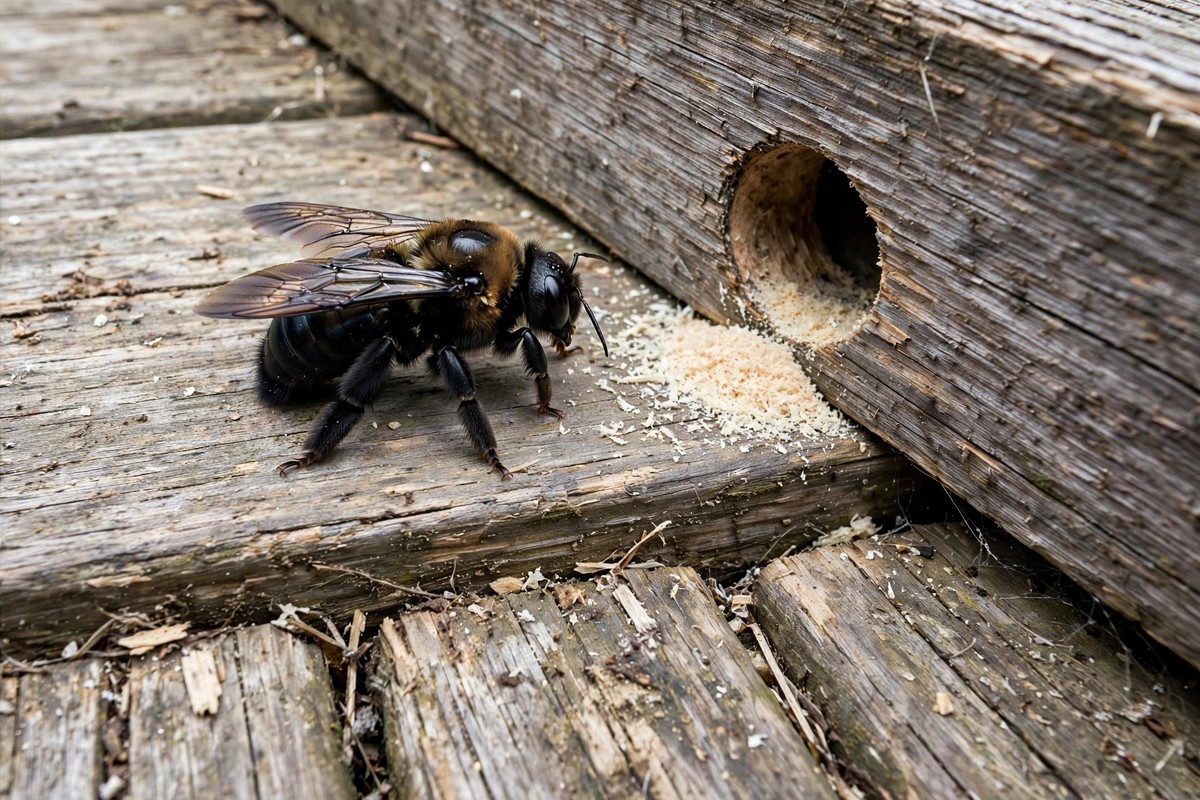
Perfectly round dime-sized holes in unpainted wood with sawdust below means carpenter bees. Treat the galleries, plug them after the season, and paint or stain the wood to keep them out.
Read the guide →
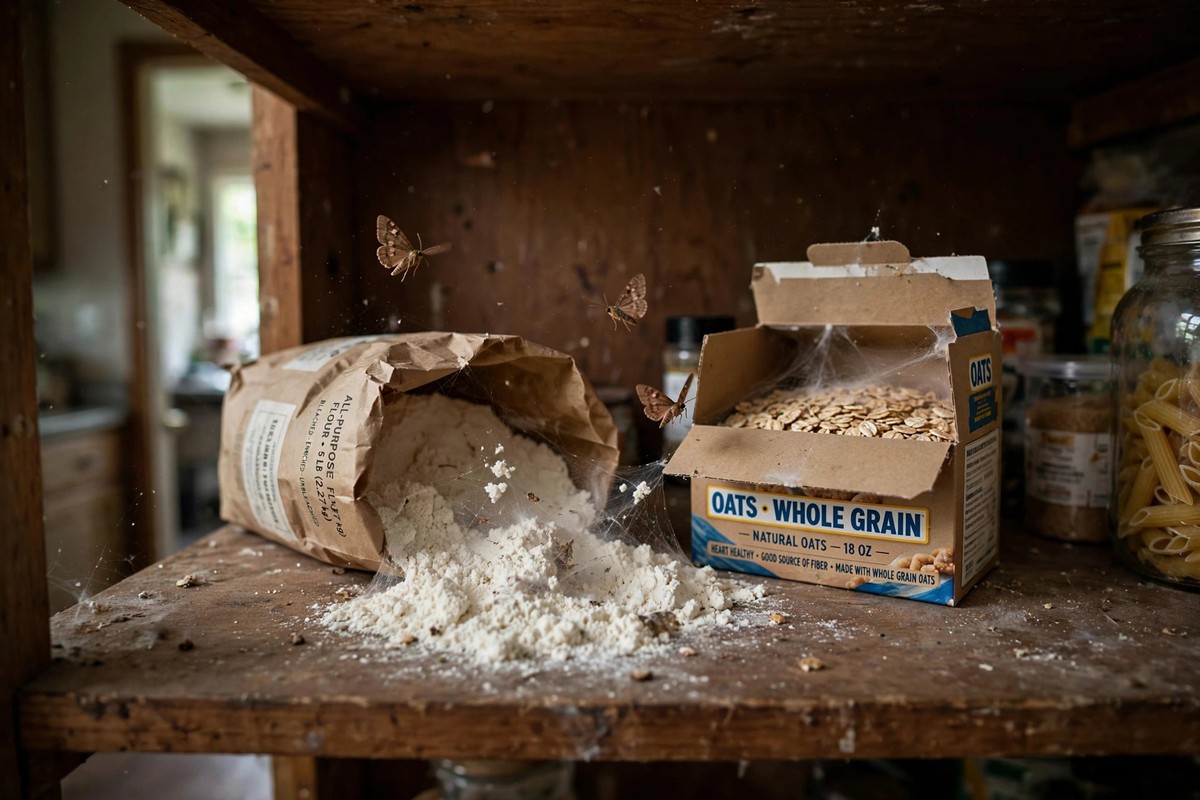
Pantry moths arrive on the groceries. Find the infested product, throw it out, vacuum every pantry crack, and store everything airtight. Three weeks of diligence ends it.
Read the guide →
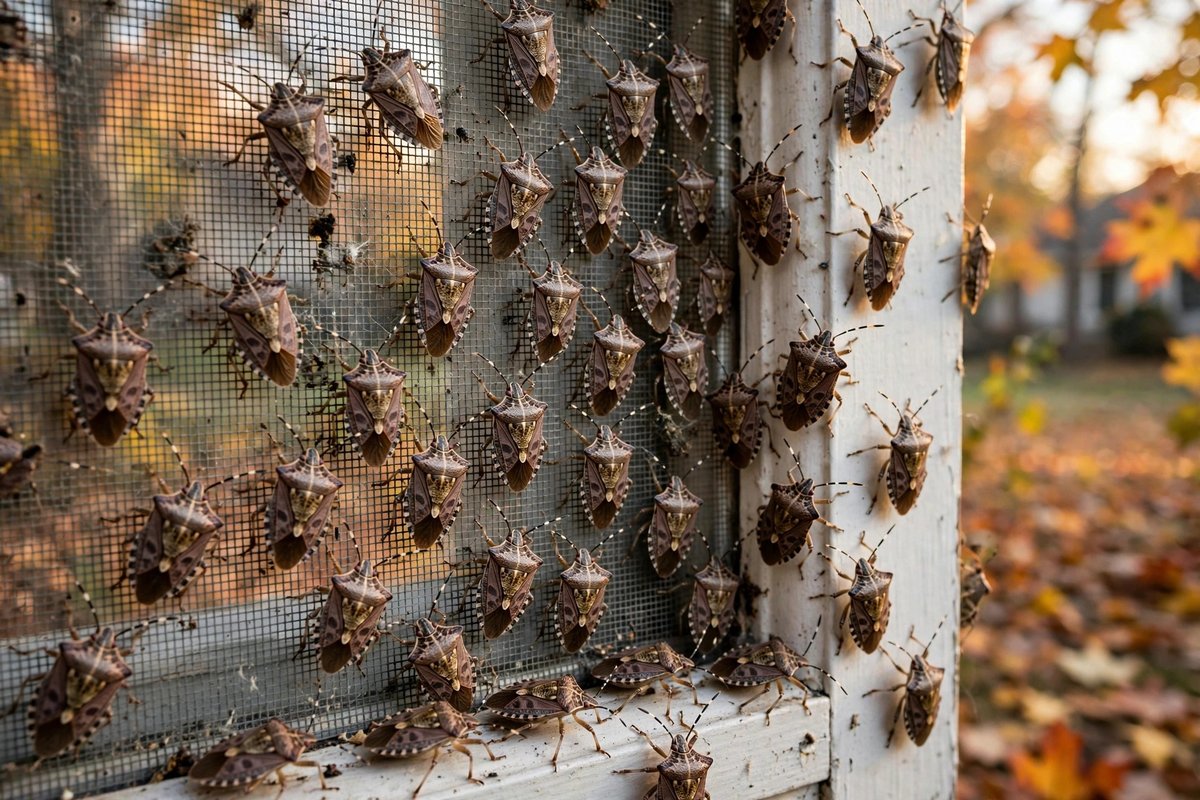
Brown marmorated stink bugs invade NJ homes every fall looking for warmth. Vacuum them (never squash), seal entry points in late summer, and treat the exterior before the September peak.
Read the guide →
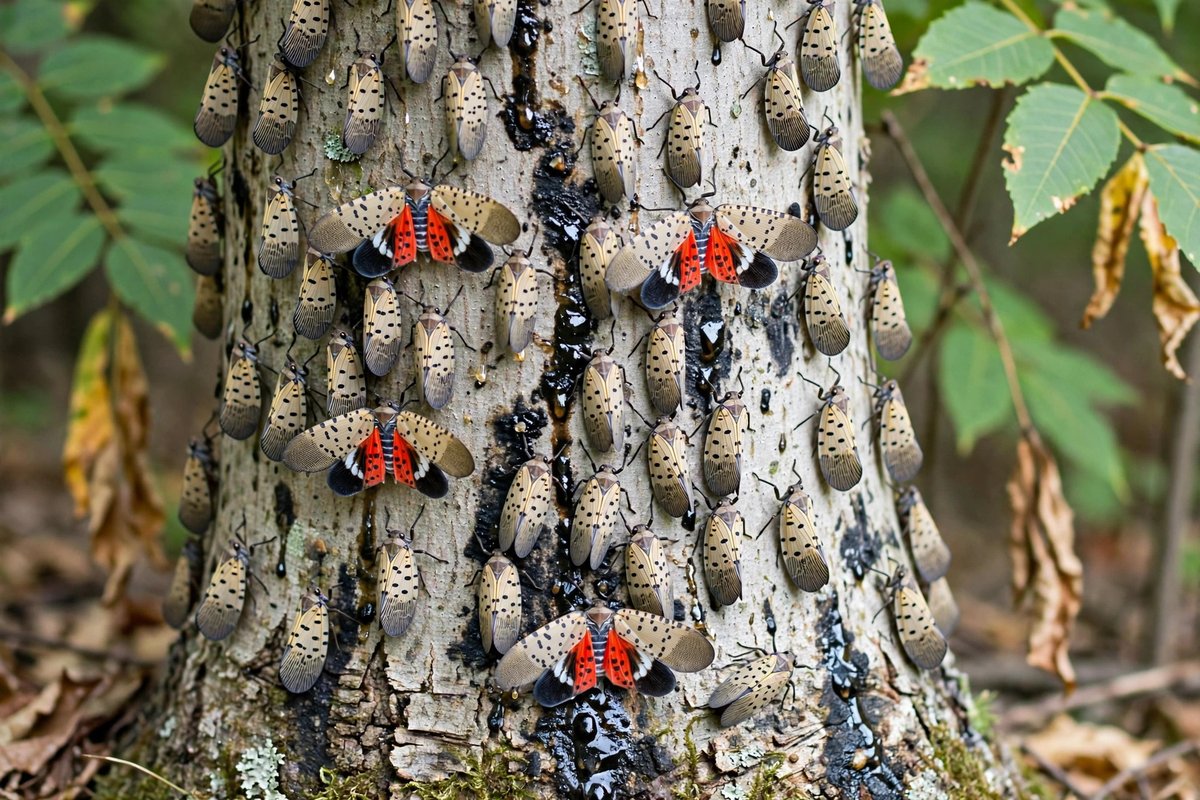
The 2026 swarms trace back to tree of heaven. Remove or treat host trees, scrape egg masses from fall through spring, band trunks in summer, and vacuum adults as they gather.
Read the guide →
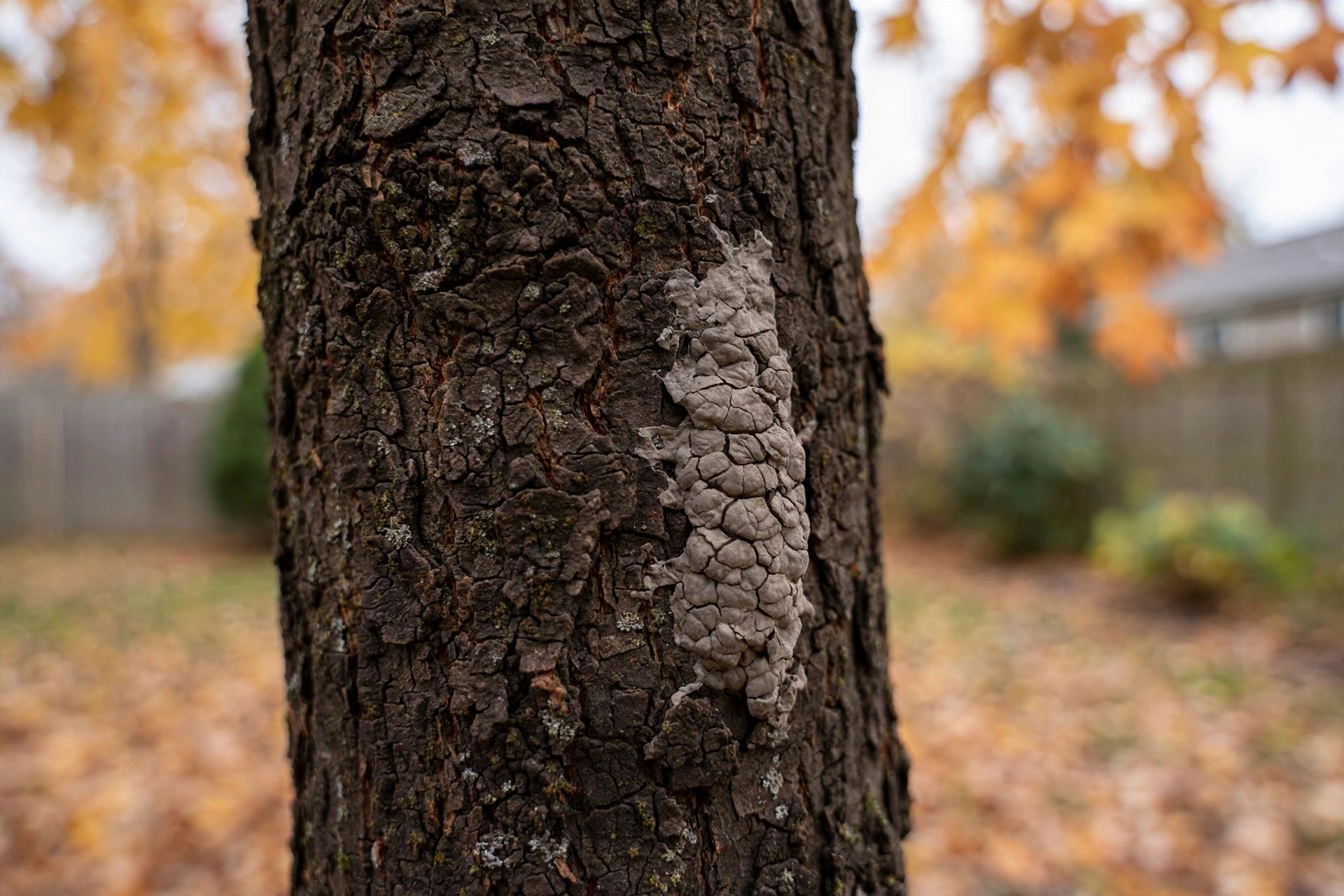
The lanternfly just crossed an international border — and females are laying egg masses all over North Jersey right now. How to spot them, scrape them, and kill next year's swarm in ten minutes.
Read the guide →
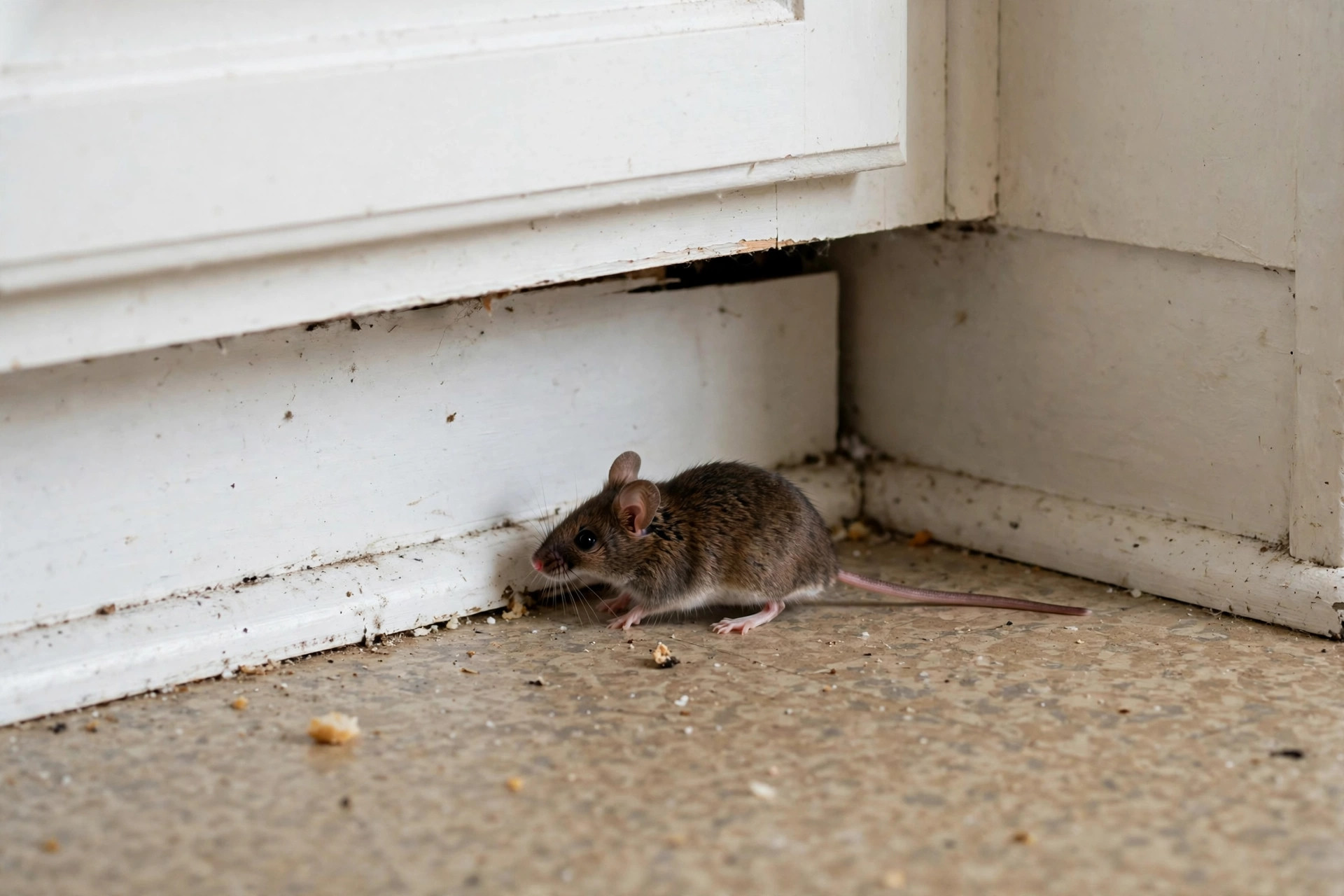
Fall's temperature trigger plus the September 13 flood: the five-minute perimeter walk, the signs mice are already inside, and when to call it in.
Read the guide →
Interactive tool: answer four questions and get a realistic 2026 North Jersey price range for your pest problem. No email required.
Try the calculator →
2026 NJ termite prices: liquid barriers vs. bait stations, what drives the cost, warranties, and red flags.
Read the guide →
Deer ticks, lone star ticks, tick tubes, and seasonal barrier programs for North Jersey yards.
Read the guide →
Humane removal, animal-proof exclusion, and attic cleanup \u2014 plus NJ\u2019s legal rules for raccoons and bats.
Read the guide →
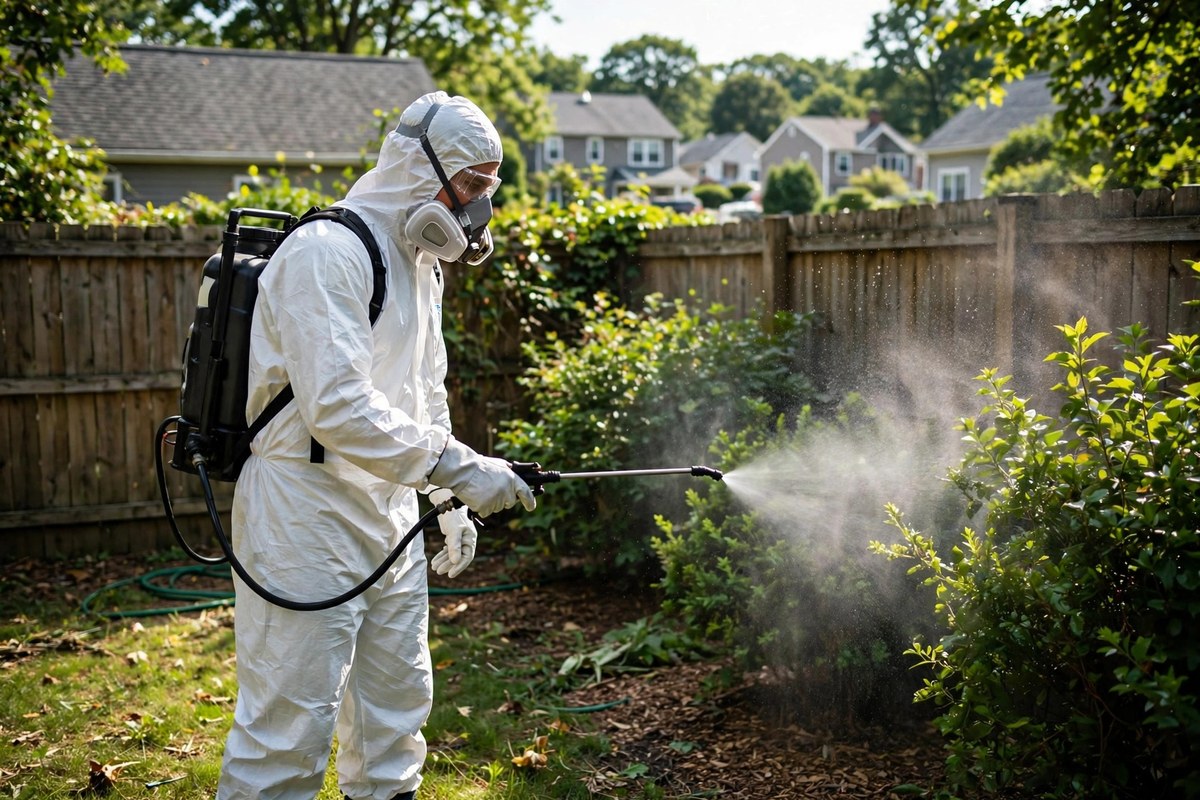
Mosquito barrier sprays, larviciding, and source reduction that actually work — plus what to do about standing water after heavy rain.
Read the guide →
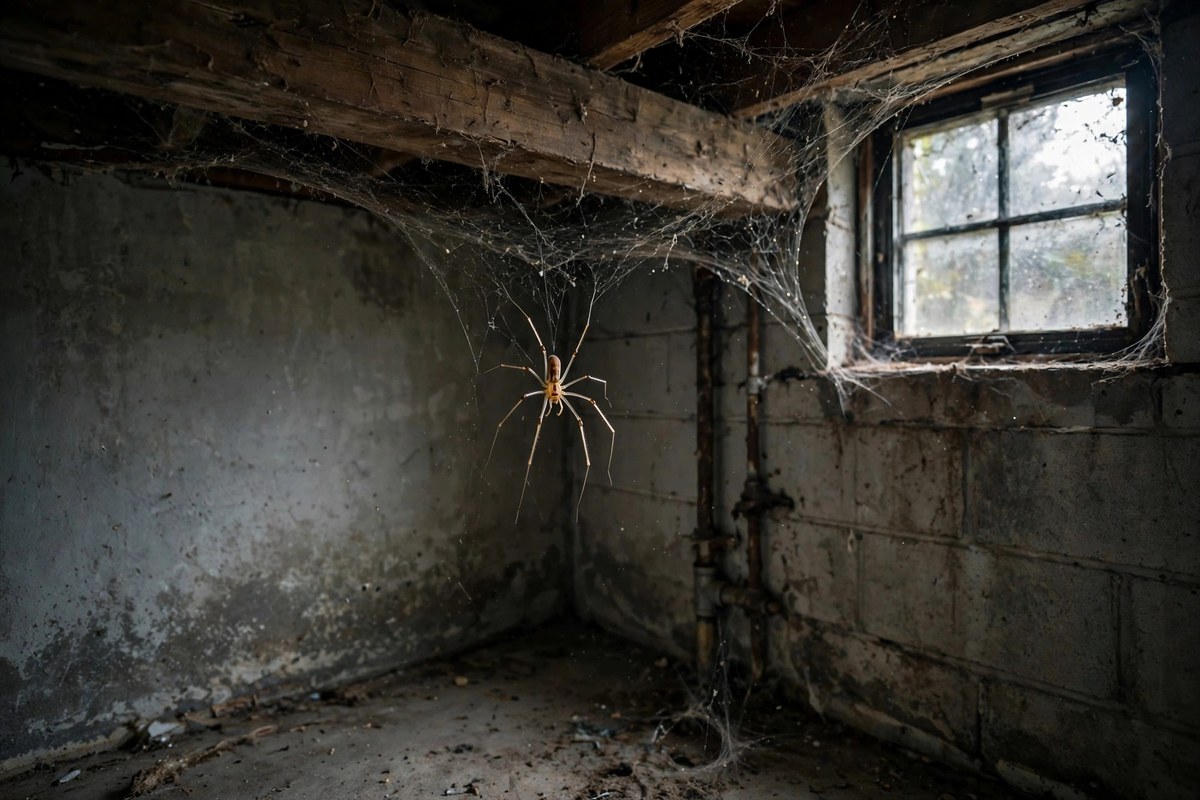
House spiders, cellar spiders, wolf spiders, and the rare black widow — what works, what doesn't, and when to call a pro.
Read the guide →
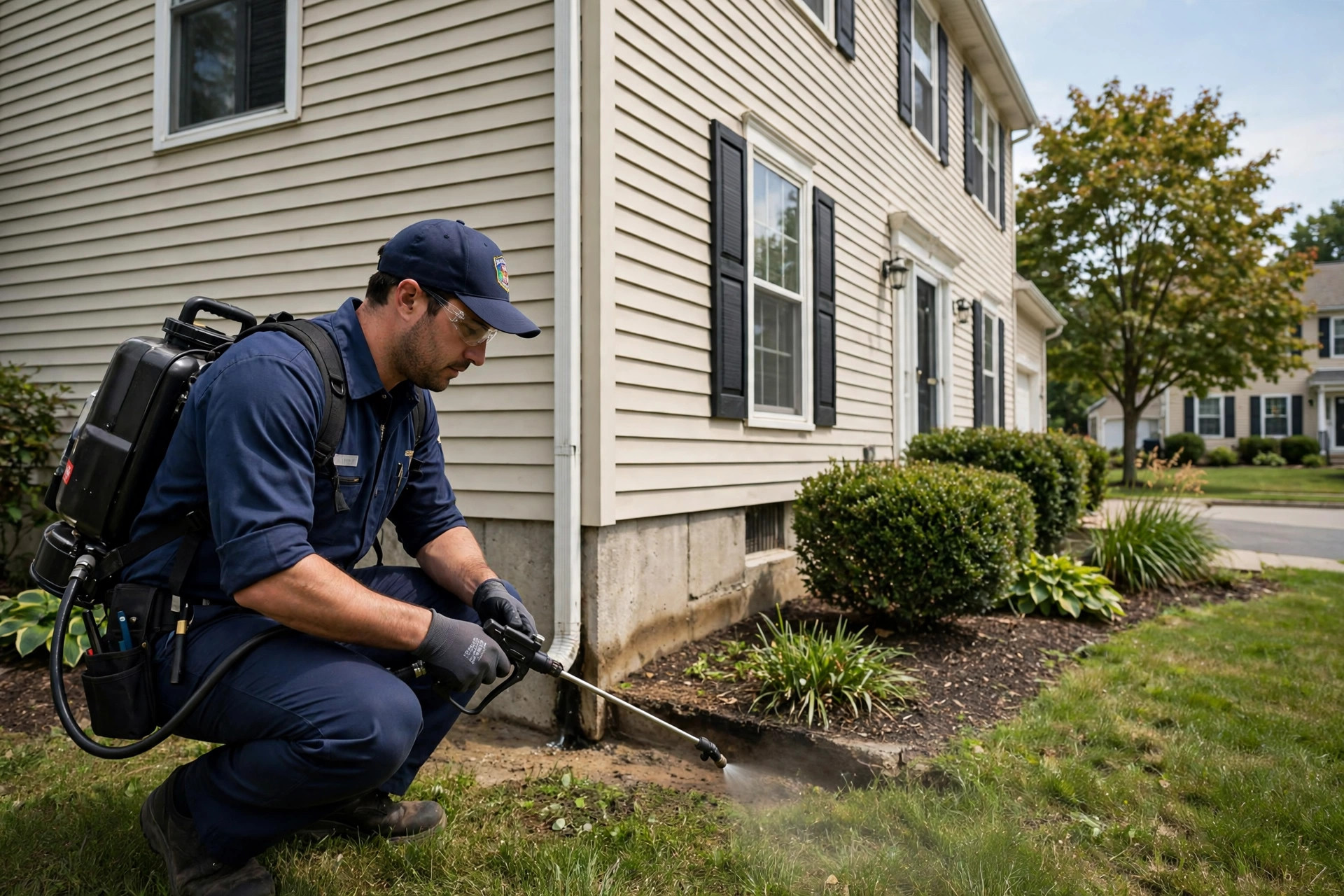
Sept 13's flash flood filled every backyard with standing water — and mosquitoes hatch in about a week in this heat. Asian tiger mosquitoes, West Nile warnings, and what to do right now.
Read the guide →
Mice push indoors in fall and breed all winter; stink bugs overwinter in attics. The September-October exclusion checklist that keeps winter quiet.
Read the guide →
Real 2026 exterminator prices in North Jersey: what ants, roaches, mice, bed bugs & termites cost, what drives the price, and how to save.
Read the guide →
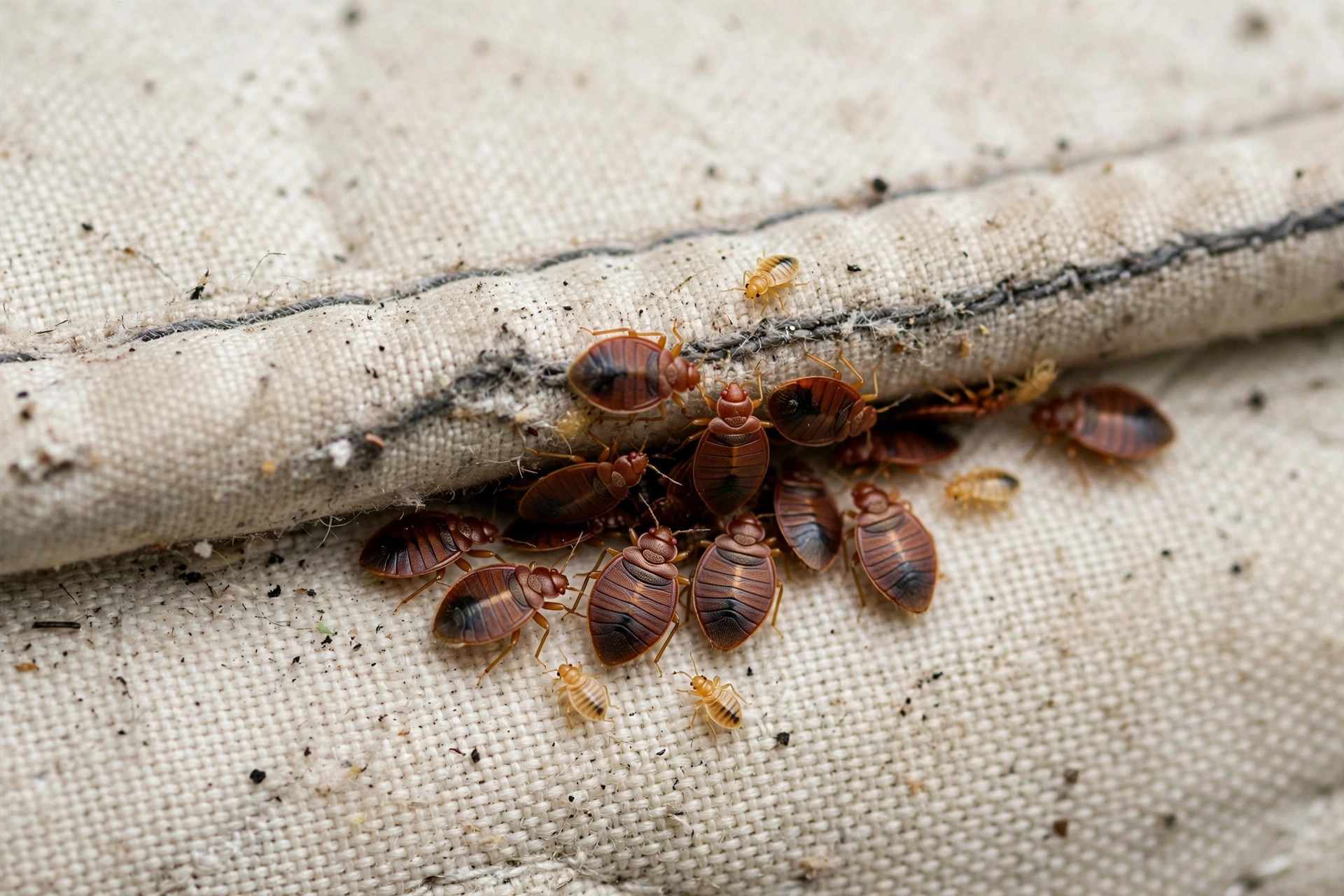
How bed bug treatment works in New Jersey: signs to look for, prep checklist, heat vs chemical treatment, timeline & cost.
Read the guide →
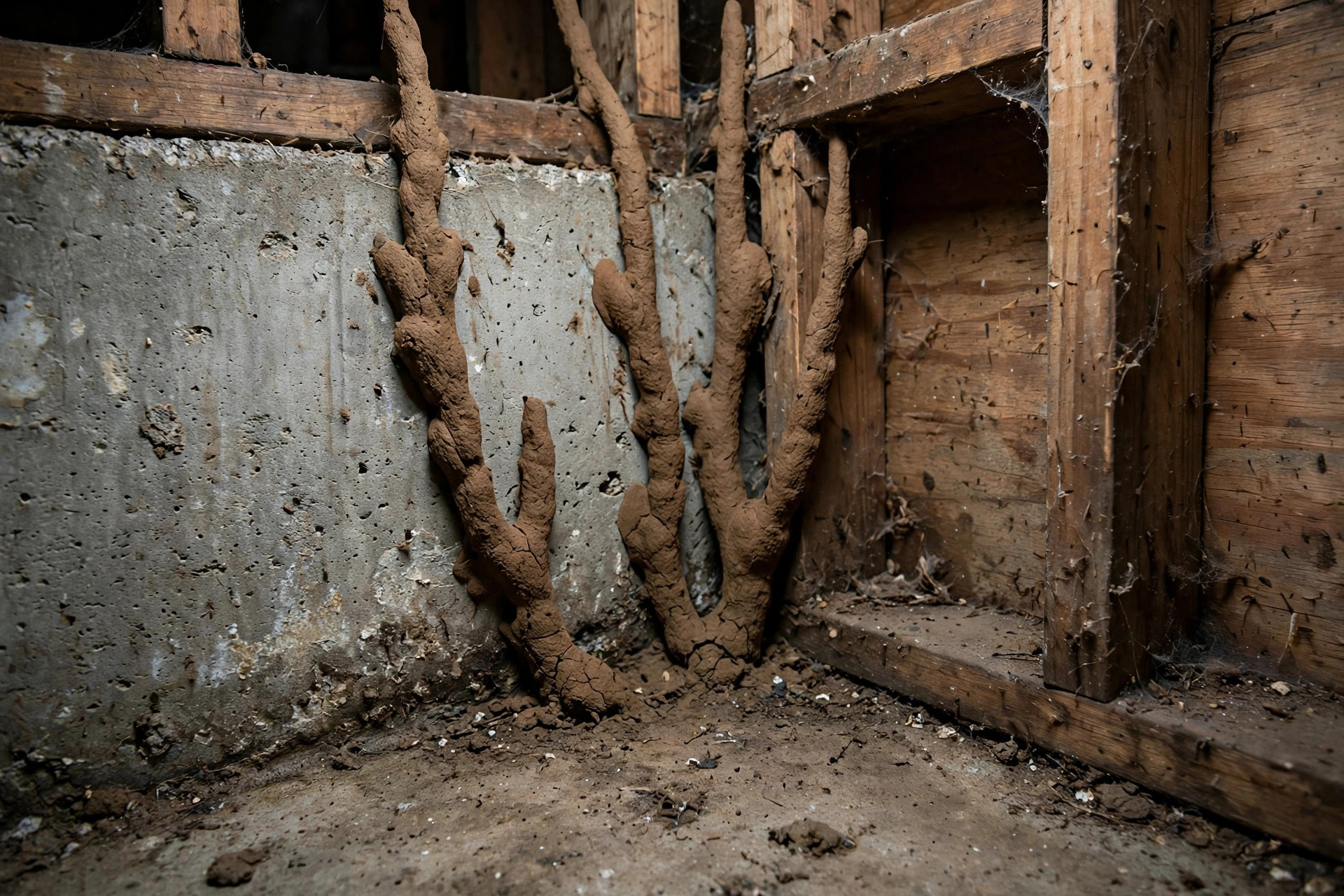
The 7 early warning signs of termites in NJ homes — mud tubes, spring swarmers, frass & more. Catch them early and save thousands.
Read the guide →
Mice invading your New Jersey home this fall? Entry points to seal, traps vs professional removal, and prevention that actually works.
Read the guide →
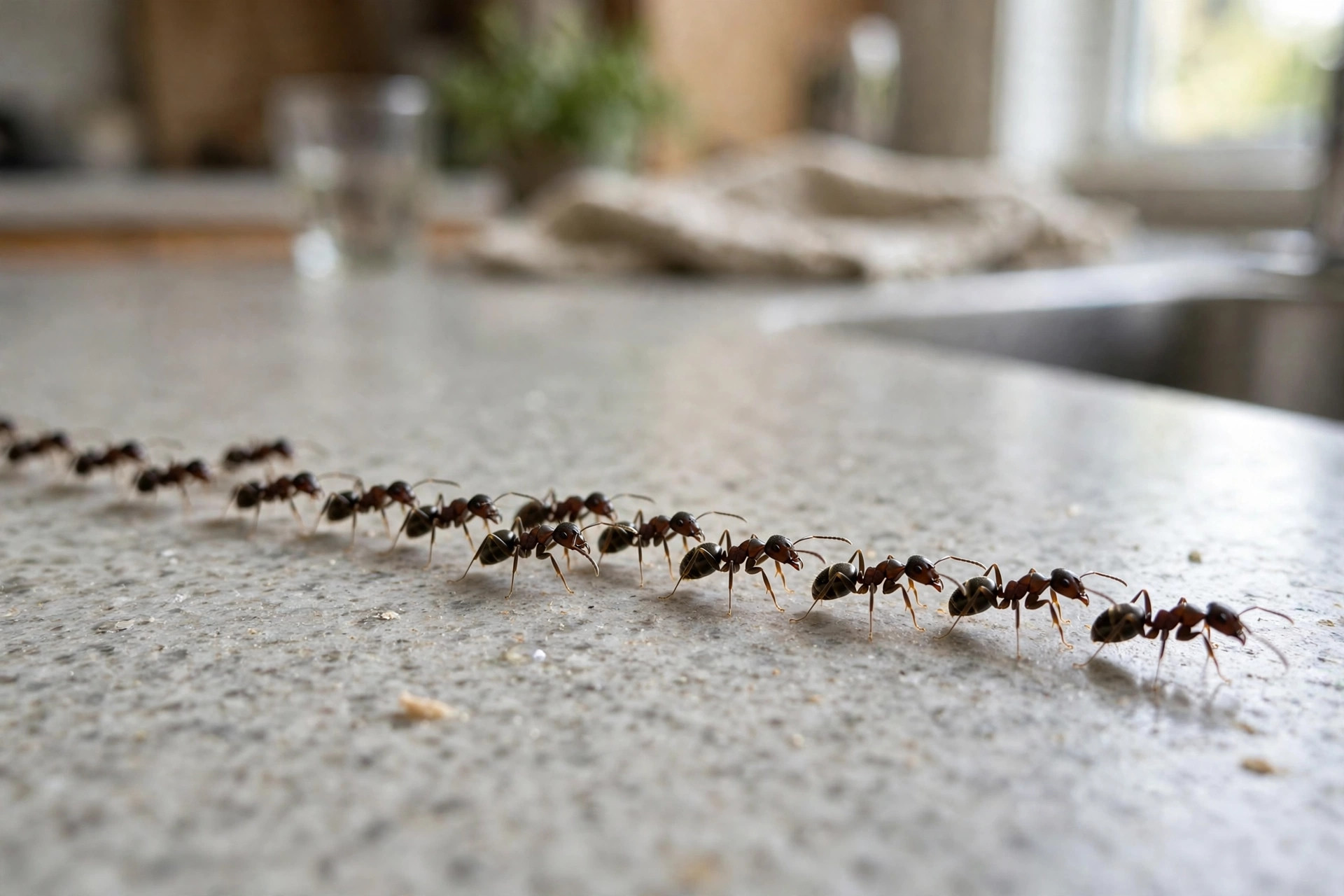
Ant control in NJ: odorous house ants vs carpenter ants, why sprays backfire, and baiting that works.
Read the guide →
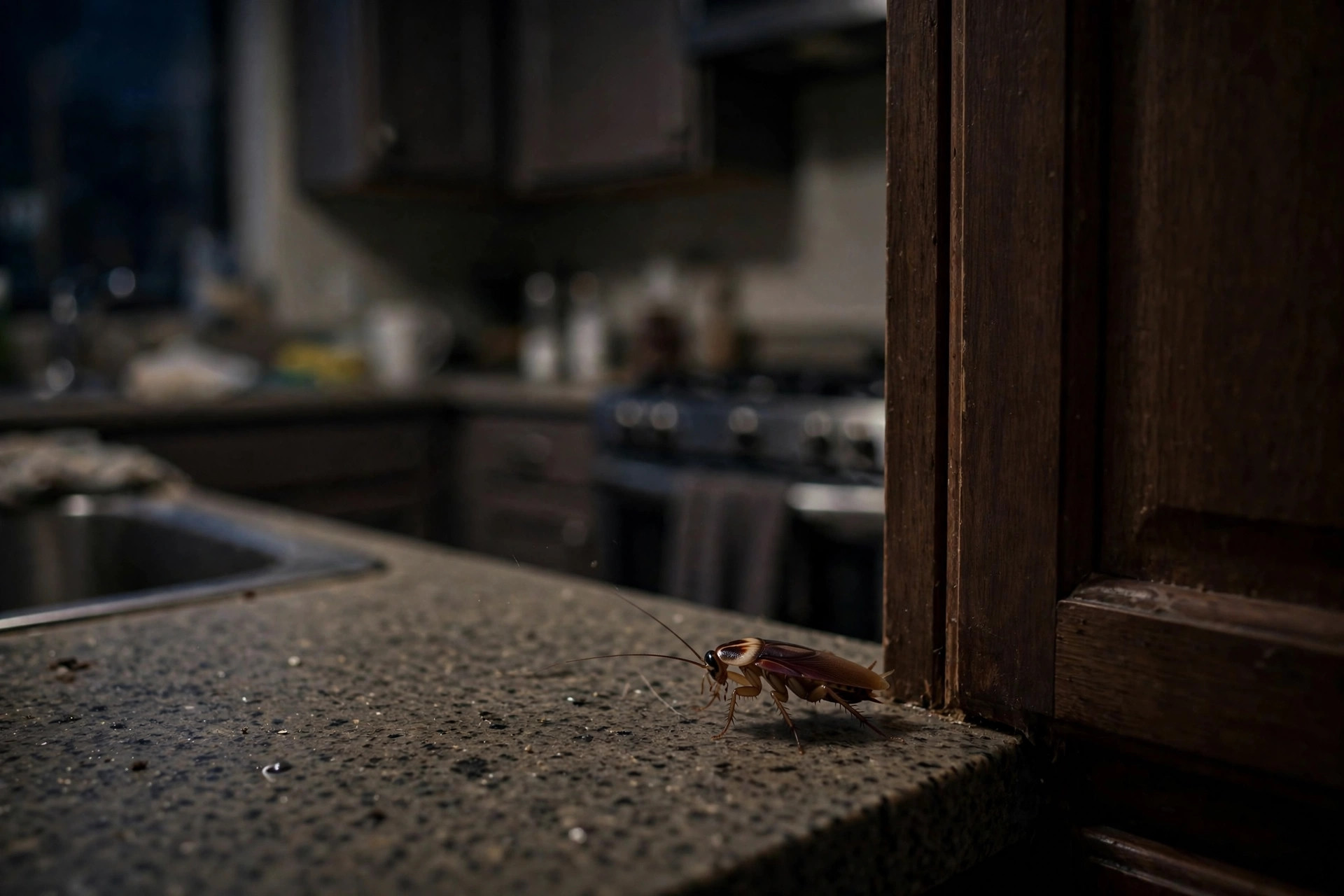
Roach extermination in NJ apartments: German roach baiting, why foggers fail, American roaches in basements, and landlord rules.
Read the guide →
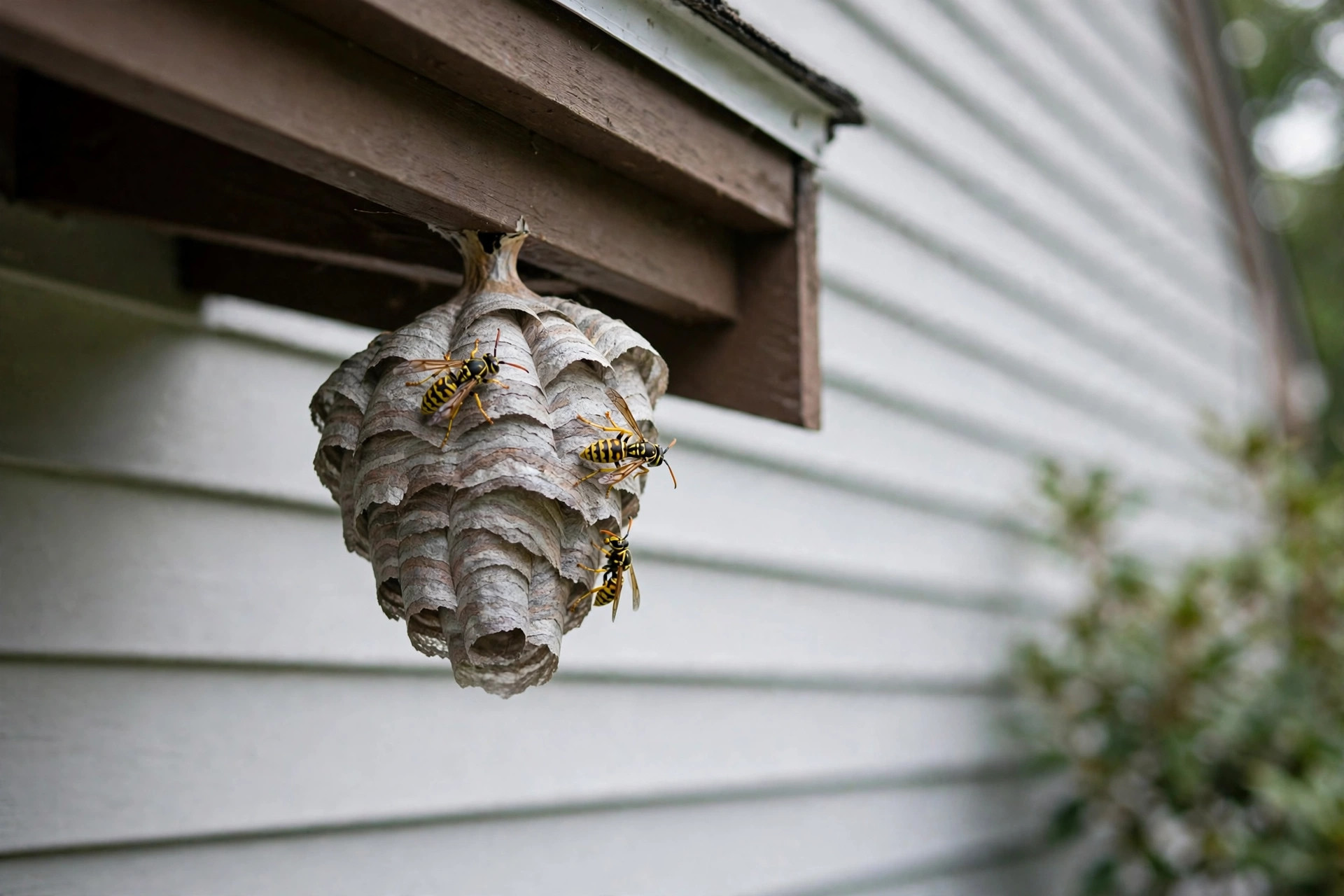
Wasp, hornet & yellow jacket nest removal in NJ: nest types, why DIY removal is dangerous, late-summer aggression, and pro removal.
Read the guide →
The NJ seasonal pest calendar: termites & ants in spring, mosquitoes & wasps in summer, rodents & stink bugs in fall.
Read the guide →
Who pays for pest control in a New Jersey rental — landlord or tenant? The real answer for bed bugs, roaches & mice in NJ apartments, plus what to do when your landlord won't act.
Read the guide →